
The Future of Work: How AI is Shaping the Workplace


The Rise of AI in the Workplace
Artificial Intelligence (AI) is no longer a futuristic concept; it is reshaping the way we work today. From automating mundane tasks to enhancing decision-making processes, AI is becoming an integral part of various industries. This transformation is not just about technology but also about changing the dynamics of the workplace.
Businesses are increasingly adopting AI to improve efficiency and productivity. By leveraging AI technologies, companies can streamline operations, reduce errors, and focus more on strategic planning. This shift is creating a new landscape where human and machine collaboration is the norm.
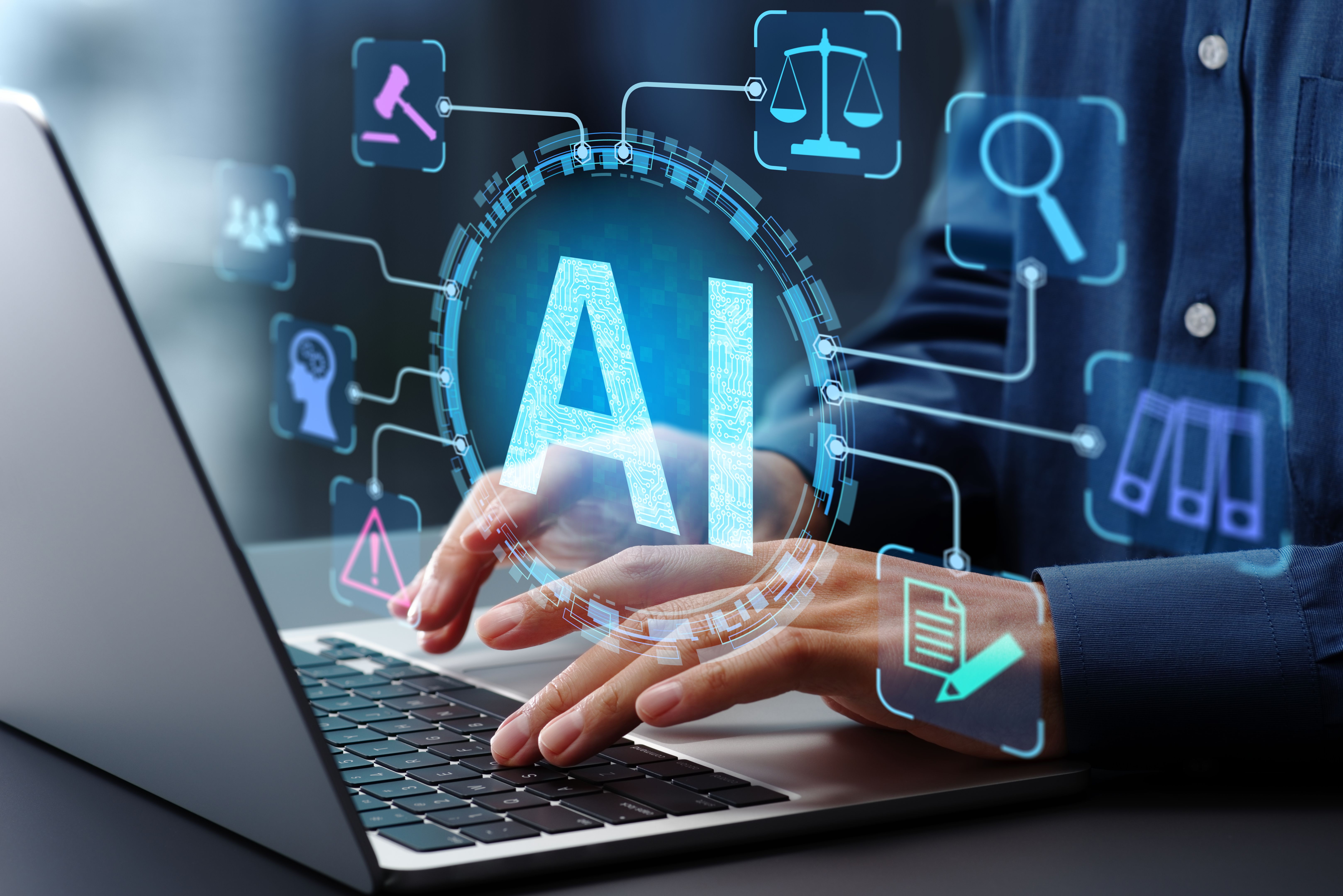
AI and Job Transformation
One of the most significant impacts of AI is on job roles. While there are concerns about AI replacing jobs, it is also creating new opportunities. Many jobs are evolving to incorporate AI, requiring employees to upskill and adapt to new technologies.
AI is particularly effective at handling repetitive and data-driven tasks. This allows employees to focus on more creative and complex aspects of their roles. As a result, job satisfaction and innovation can increase, leading to a more engaged workforce.

Enhancing Decision-Making
AI is also transforming how decisions are made in the workplace. By analyzing large volumes of data quickly and accurately, AI provides valuable insights that can guide strategic decisions. This capability is particularly beneficial in industries like finance, healthcare, and marketing, where data-driven decisions are crucial.
With AI, businesses can identify trends, forecast outcomes, and optimize strategies more effectively. This level of insight was previously unattainable, making AI a powerful tool for decision-makers.

AI and Remote Work
The rise of remote work has further accelerated AI adoption. AI-powered tools are enhancing communication, collaboration, and productivity in virtual environments. From chatbots to project management software, AI ensures that remote teams remain connected and efficient.
These tools are not only improving remote work experiences but also providing flexibility and work-life balance for employees. As remote work becomes more prevalent, AI will continue to play a crucial role in supporting distributed teams.

The Ethical Considerations
Despite the numerous benefits, the integration of AI in the workplace also raises ethical concerns. Issues such as data privacy, algorithmic bias, and job displacement need to be addressed. It is crucial for companies to implement AI responsibly and ensure transparency in their operations.
Organizations must prioritize ethical AI practices and foster a culture of trust and accountability. By doing so, they can harness the full potential of AI while mitigating risks and building a sustainable future.
Preparing for the Future
As AI continues to shape the workplace, businesses and employees must be proactive in adapting to these changes. Continuous learning and development will be essential for staying relevant in this new era. Companies should invest in training programs and encourage a culture of innovation.
By embracing AI and preparing for its impact, organizations can ensure a competitive edge and a thriving workforce. The future of work is here, and AI is at the forefront of this exciting transformation.