
Seasonal Digital Strategy: Preparing Your Business for Success


Understanding Seasonal Trends
Every business experiences fluctuations in demand throughout the year. These shifts often align with seasons, holidays, or specific events. By recognizing and capitalizing on these seasonal trends, businesses can optimize their digital strategies to increase engagement and sales.
Analyzing past performance and market trends is crucial. By understanding what drives customer behavior during different times of the year, you can tailor your marketing efforts to meet these demands. This foresight allows for more strategic planning and better allocation of resources.

Creating a Seasonal Content Calendar
A well-structured content calendar is essential for any successful digital strategy. Start by mapping out key dates and events that are relevant to your business. Consider holidays, industry-specific events, and other occasions that could influence consumer behavior.
Incorporate a mix of content types, including blog posts, social media updates, and email campaigns. This variety ensures that your audience remains engaged and informed. Consistency is key, so plan your content releases to maintain a steady flow of information.

Optimizing Social Media Strategy
Social media platforms are powerful tools for engaging with your audience during peak seasons. Tailor your messaging to reflect the mood and needs of your target demographic. Use hashtags and trends to increase your content’s visibility and reach.
Consider running targeted ad campaigns during specific seasons. With advanced targeting options, you can reach potential customers more effectively, ensuring that your promotions resonate with the right audience.

Adapting Your Website and SEO
Your website is often the first point of contact with potential customers. Ensure that it reflects seasonal themes and promotions. Update banners, landing pages, and product descriptions to highlight relevant offers.
Optimize your SEO strategy by incorporating seasonal keywords. This approach improves your search engine rankings and drives more organic traffic to your site. Regularly updating your content with fresh, seasonally relevant information can also boost your online presence.
Leveraging Email Marketing
Email marketing remains one of the most effective channels for reaching your audience. Segment your email lists based on customer preferences and past interactions to deliver personalized content.
Craft compelling subject lines and offers that cater to seasonal interests. Use emails to inform customers about upcoming promotions, new products, or special events. This direct line of communication helps maintain engagement and encourages repeat business.
Monitoring and Analyzing Performance
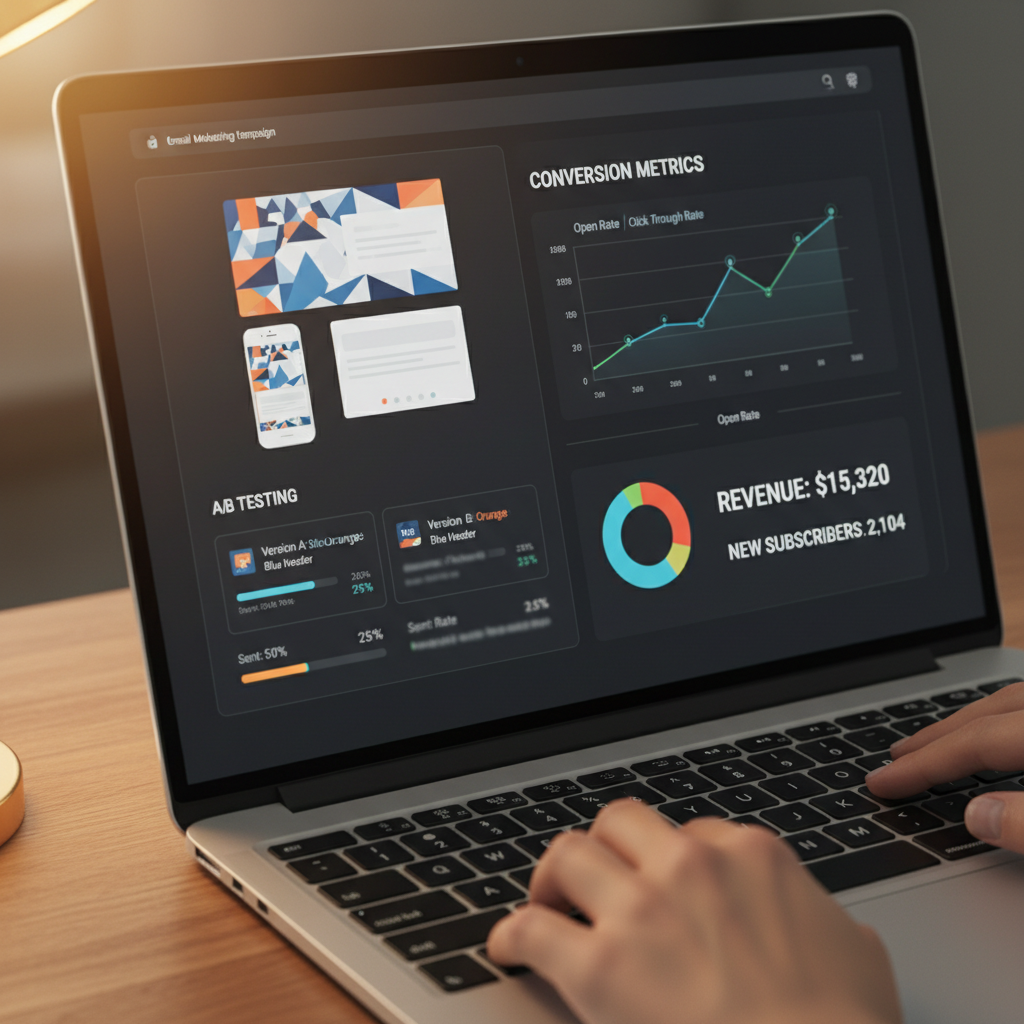
Once your seasonal strategy is in place, it's essential to monitor its performance. Use analytics tools to track key metrics such as engagement rates, conversion rates, and ROI. This data provides valuable insights into what’s working and what needs adjustment.
Regularly reviewing your strategy allows for timely tweaks, ensuring that your efforts are always aligned with your business goals. By continuously optimizing your approach, you can maximize the success of your seasonal campaigns.